
Understanding the psychological impacts of gambling on decision-making processes
The Nature of Gambling and Decision-Making
Gambling, by its very nature, presents a unique combination of risk and reward that significantly influences decision-making processes. The excitement associated with the chance to win can lead individuals to make impulsive choices, often neglecting rational thought. This psychological phenomenon stems from the brain’s reward pathways that become activated during gambling, creating a heightened sense of euphoria that can cloud judgment. As players chase potential wins, they may overlook the odds and statistics, which increases the likelihood of making poor decisions. On a platform such as https://gtbet9-australia.com/app/, these aspects can be particularly pronounced, emphasizing the need for effective strategies for winning.

Moreover, cognitive biases play a crucial role in gambling behavior. The illusion of control, where players believe they can influence outcomes through skill or strategies, often leads to overconfidence. This overestimation of one’s abilities can skew their decision-making, resulting in riskier bets and increased stakes. Players may find themselves drawn to games where they perceive their actions can impact results, despite the randomness inherent in most gambling activities.
The impact of gambling on decision-making is not solely confined to individual experiences but also extends to social interactions. Group dynamics can further exacerbate impulsive decision-making, as individuals may feel pressure to conform to the behavior of those around them. This collective mindset can lead to reckless choices and a disregard for personal limits, intensifying the psychological effects associated with gambling.
The Role of Emotions in Gambling Decisions
Emotions play a pivotal role in the gambling experience, often influencing decision-making in profound ways. The thrill of winning generates positive emotions that can lead to a desire for continued play. Conversely, losses can trigger feelings of frustration and anxiety, prompting players to chase their losses in a bid to regain control. This emotional rollercoaster can create a feedback loop, where heightened emotions further impair rational decision-making.
For instance, a player who experiences a winning streak may become increasingly confident, resulting in riskier bets as they feel invincible. This sense of euphoria can distort their perception of reality, leading them to underestimate the potential for future losses. Similarly, after a series of losses, individuals may resort to desperate strategies, believing that a significant win is just around the corner. This emotional instability directly correlates with erratic decision-making, often culminating in significant financial losses.
Additionally, emotions are not just limited to the individual; they can be contagious in social settings. When surrounded by others who are excited or frustrated, a gambler’s emotional state can shift dramatically. This communal experience can amplify both positive and negative emotions, further complicating the decision-making process and leading to decisions that may not align with one’s financial or personal goals.
The Cognitive Dissonance of Gambling
Cognitive dissonance occurs when an individual’s beliefs and behaviors are inconsistent, leading to mental discomfort. In the context of gambling, players often experience this dissonance when faced with the reality of losses versus their belief in eventual success. This psychological conflict can lead individuals to rationalize their gambling behaviors, convincing themselves that the next big win is just around the corner. Such justifications can cloud their decision-making, leading them to continue gambling despite clear evidence of its detrimental effects.
This cognitive dissonance can also be intensified by gambling advertisements and social narratives that glorify winning. The pervasive message that success in gambling is attainable can lead individuals to ignore the risks and consequences associated with their actions. The ongoing belief that they are “due” for a win can perpetuate a cycle of poor decision-making, where rational thought is overshadowed by an unrealistic expectation of outcomes.
Furthermore, cognitive dissonance can lead to a form of denial about the extent of one’s gambling habits. Individuals may downplay their losses or justify continued play as a means of entertainment, despite recognizing the negative impact on their lives. This internal conflict can create a barrier to seeking help or making more informed decisions, as players may become trapped in a cycle of justifying their behavior rather than addressing the underlying issues.
Long-term Psychological Effects of Gambling
The long-term psychological effects of gambling can be profound, affecting not only the individual gambler but also their relationships and overall well-being. Chronic gambling can lead to anxiety, depression, and other mental health issues, which are often exacerbated by financial strain. The stress of gambling losses can create a detrimental feedback loop, where mental health deteriorates further, leading to more gambling as a coping mechanism.
Additionally, the social consequences of gambling can be significant. Relationships may suffer as trust erodes, and communication breaks down. Family members may struggle to understand the compulsive behaviors associated with gambling, leading to conflict and isolation for the gambler. This disconnect can further entrench the psychological impacts, making it challenging for individuals to break free from the cycle of gambling.
The potential for addiction also cannot be overlooked. Many individuals who gamble excessively develop a gambling disorder, characterized by an inability to control gambling behavior despite negative consequences. This addiction is not just a personal issue; it can have ripple effects throughout families and communities, highlighting the need for awareness and support systems to assist those affected.
Exploring GTBET9 and Responsible Gambling
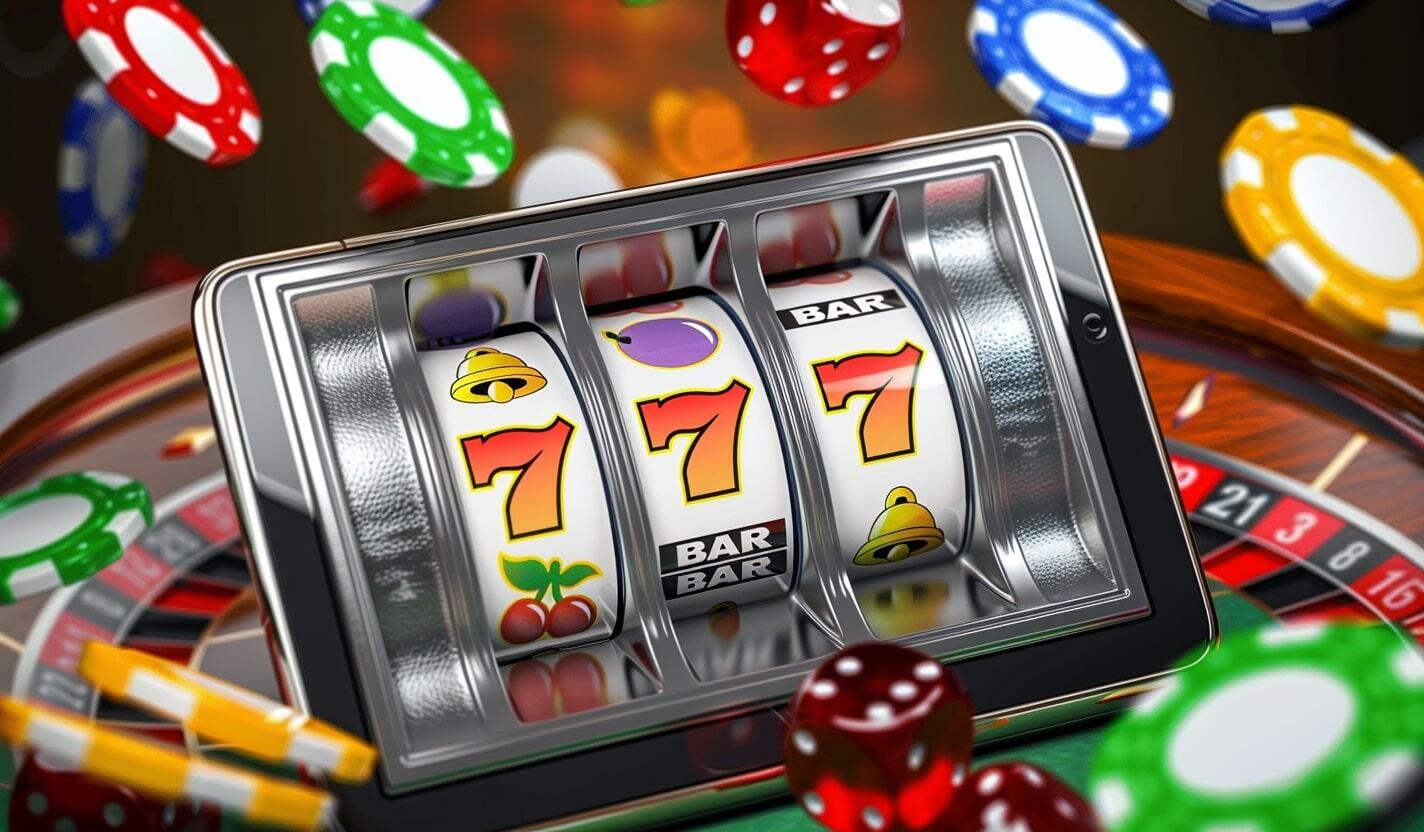
GTBET9 stands out as a mobile-friendly casino platform designed with Australian players in mind, emphasizing responsible gambling practices. With a range of games that include pokies and live dealer options, GTBET9 provides a comprehensive gaming experience that is easily accessible through web browsers on various devices. The platform ensures that players can enjoy their favorite games without the need for bulky downloads, promoting a seamless experience that encourages responsible engagement.
One of the core missions of GTBET9 is to foster a safe gambling environment. The platform prioritizes secure transactions and responsible gaming features, empowering players to manage their gambling habits effectively. Tools such as self-exclusion options and deposit limits enable players to make informed decisions and maintain control over their gaming activities, minimizing the risk of developing harmful gambling behaviors.
Through its commitment to responsible gambling, GTBET9 not only enhances the gaming experience but also addresses the psychological impacts of gambling. By providing resources and support, the platform encourages a healthier approach to gambling, reinforcing the notion that gaming should be an enjoyable pastime rather than a compulsive habit. As players engage with GTBET9, they can do so knowing that their well-being is prioritized, fostering a more mindful approach to decision-making in the realm of gambling.