
Cultural perceptions of gambling A global exploration
Understanding Gambling Across Cultures
Gambling is a multifaceted activity that varies widely across different cultures and societies. In some cultures, it is viewed as a harmless pastime, while in others, it is regarded with suspicion or outright prohibition. For instance, in many Western countries, particularly in Las Vegas or Monaco, gambling is not only legal but celebrated as a significant entertainment industry. In contrast, nations like Saudi Arabia impose strict penalties on gambling due to religious beliefs, reflecting the moral fabric of their societies. Exploring platforms such as https://playzeecasino-nz.com/ can provide insight into various gambling approaches.

The cultural perceptions of gambling often intertwine with historical events and economic conditions. In places where gambling has been a part of traditional celebrations, such as in certain indigenous communities, it is often seen as a communal activity that fosters social bonds. The acceptance of gambling in these contexts highlights its role in cultural identity, showing that it can serve purposes beyond mere chance and financial gain.
Moreover, the psychological aspects of gambling reveal that cultural backgrounds significantly influence individual behavior and decision-making. Cultural norms dictate not only the acceptance of gambling but also the attitudes towards risk-taking. Understanding these nuances is crucial for addressing the global gambling landscape, which continues to evolve with technological advancements and shifting societal values.
The Impact of Religion on Gambling Attitudes
Religion plays a pivotal role in shaping societal attitudes toward gambling. In predominantly Islamic countries, gambling is prohibited based on religious teachings, which perceive it as an act of greed and a distraction from spiritual responsibilities. Conversely, in secular societies or those with more liberal religious interpretations, gambling may be embraced as a form of entertainment. This divergence illustrates how deeply ingrained beliefs can influence public policy and individual behaviors.
In countries with significant Christian populations, opinions on gambling can vary widely. For example, while some denominations condemn gambling as immoral, others may adopt a more permissive attitude, allowing members to partake within certain limits. This variation reflects broader societal debates regarding personal freedom versus moral guidance, often leaving individuals to navigate their beliefs alongside societal expectations.
The influence of religion on gambling is also evident in the ways rituals and beliefs intersect with gaming activities. In some cultures, rituals are integrated into gambling practices to bring luck or divine favor. These intersections reveal the complex tapestry of human behavior where spirituality and chance coexist, illustrating that gambling can be as much a cultural expression as it is a financial endeavor.
The Psychology of Gambling Behavior
Understanding the psychology behind gambling behavior is essential to grasping its cultural implications. Many gamblers engage in the activity as a means of escaping daily stress or seeking excitement. This escape can be culturally influenced, as societies that promote high-pressure lifestyles may see increased gambling rates. In these environments, gambling serves as a coping mechanism, allowing individuals to momentarily step away from their responsibilities.
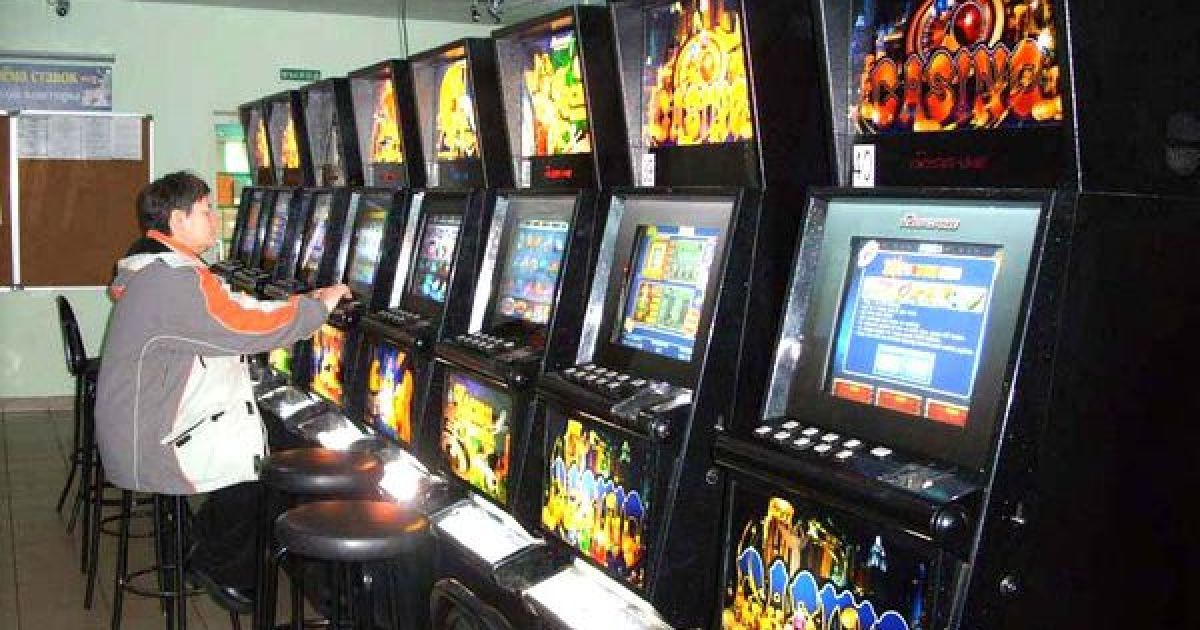
Moreover, the psychological lure of gambling can be attributed to a variety of factors, including the thrill of risk, the allure of winning, and the social interactions it fosters. In communal settings, such as casinos or betting houses, social dynamics can further amplify the thrill associated with gambling. The shared experience of risk-taking can bond individuals together, creating a sense of community among gamblers.
From a psychological perspective, the development of gambling addictions can also vary across cultures. Some societies may have more robust support systems and resources for those struggling with addiction, while others may stigmatize this behavior, leading individuals to suffer in silence. Understanding these cultural variations is vital for developing effective interventions that resonate with the specific needs and values of different communities.
Gambling and Economic Factors
The economic implications of gambling are a key aspect of its cultural perception. In many regions, gambling is viewed as a source of revenue, both for the government and local economies. For example, countries that have legalized gambling often experience significant economic boosts through taxation and job creation in the gaming industry. This perception of gambling as economically beneficial can foster a more accepting attitude toward the activity.
However, the economic benefits of gambling can come with hidden costs. Communities may experience negative impacts, such as increased crime rates or problem gambling, which can strain local resources and social services. This duality often leads to heated debates about the morality of profiting from gambling, highlighting the need for responsible gaming practices and community support systems.
Moreover, as online gambling continues to grow, new economic dynamics emerge. Digital platforms enable wider access to gambling, potentially reaching individuals who may not have engaged with traditional forms of gaming. This shift raises questions about consumer protection and the regulation of online gambling markets, emphasizing the importance of creating environments that prioritize player safety across different cultural contexts.
Exploring Online Gambling Trends Globally
The rise of online gambling has dramatically changed cultural perceptions and practices surrounding the activity. With the convenience of accessing gambling platforms from anywhere, more individuals are engaging in online gaming than ever before. This shift has led to a more diverse global gambling landscape, where traditional cultural norms intersect with modern technological advancements.
In this new environment, online casinos cater to a wide array of cultural preferences, offering localized content and games that resonate with specific audiences. This adaptation underscores the importance of understanding cultural nuances in the global market. As gambling becomes more accessible, the potential for both positive and negative outcomes increases, necessitating ongoing discussions about responsible gaming practices.
The emergence of online gambling also brings challenges related to regulation and consumer protection. Different countries have varying laws regarding online gaming, which can create confusion for players. This disparity underscores the need for a unified approach to addressing the complexities of online gambling, as societies work to balance economic benefits with ethical considerations in a rapidly evolving landscape.