
Understanding the psychology behind gambling decisions in casinos
The Allure of the Casino Environment
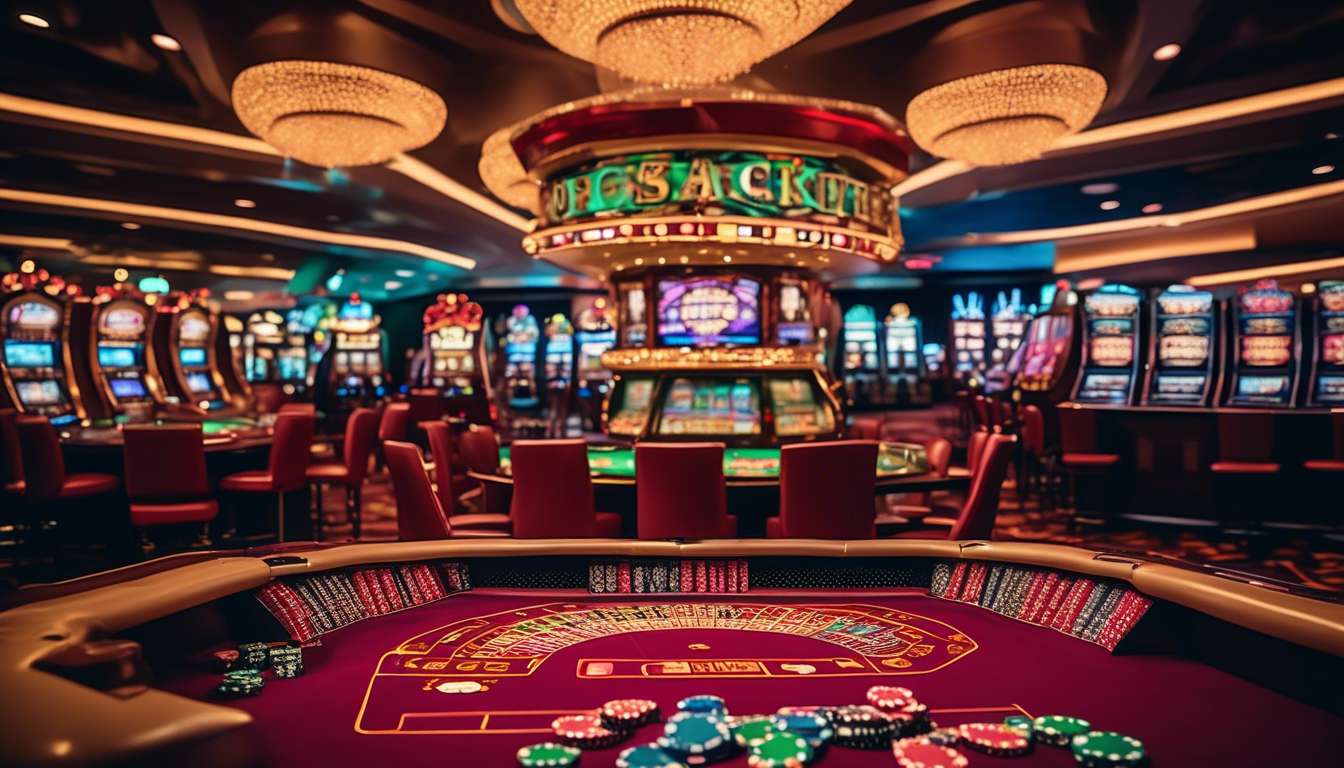
The casino environment is specifically designed to captivate and entice visitors. Bright lights, engaging sounds, and the anticipation of potential winnings create an immersive experience that can evoke a range of emotions. This sensory overload is strategically used to stimulate excitement and, at times, irrational decision-making. The ambiance encourages players to lose track of time and make choices they might not consider outside the casino, especially when they find a new promo code for 1xbet.
Furthermore, the arrangement of games, the availability of free drinks, and the lack of clocks contribute to an atmosphere where gambling feels like an endless opportunity. These factors create an illusion of control, leading individuals to believe they can beat the odds, despite the inherent randomness of casino games.
The Role of Cognitive Biases in Gambling
Cognitive biases significantly influence gambling behavior, often leading individuals to make poor decisions. For instance, the illusion of control occurs when players believe they can influence the outcome of games like roulette or slots. This misconception can lead to overconfidence and increased betting, as players chase losses and become trapped in a cycle of hopefulness.
Another common bias is the gambler’s fallacy, where individuals assume that previous outcomes affect future results. For example, if a specific number hasn’t appeared in a while, players may feel it is “due” to win. This faulty reasoning contributes to riskier betting patterns and a greater likelihood of losses, further entrenching players in the gambling experience.
The Impact of Emotions on Gambling Decisions
Emotions play a pivotal role in gambling decisions. When players experience feelings of excitement, they may be more inclined to take risks and make impulsive choices. Conversely, negative emotions, such as stress or sadness, can lead individuals to gamble in an attempt to escape their feelings. This emotional engagement often clouds judgment, making it easier to overlook the reality of the odds.
The highs of winning can create a rush that reinforces future gambling behavior, while losses can lead to a desire to win back money, further complicating a player’s decision-making process. Understanding these emotional triggers is crucial for promoting responsible gambling practices and ensuring that individuals approach gambling with a clear mindset.
Responsible Gambling Practices
To mitigate the negative effects of gambling, it is essential to adopt responsible gambling practices. Setting limits on time and money spent in casinos can help individuals maintain control and avoid the pitfalls of impulsive decision-making. Awareness of one’s emotional state before and during gambling sessions can also aid in recognizing when to step back and reassess the situation.
Education about the psychology behind gambling decisions is vital for fostering healthier habits. Casinos and gaming organizations can play a role by providing resources and support for responsible gambling. Empowering players with knowledge about cognitive biases, emotional influences, and decision-making processes can lead to more informed choices.
Visit Our Website for More Insights
Our website offers a wealth of information on the psychology of gambling and responsible practices. By exploring our resources, you can gain deeper insights into how emotions, biases, and environmental factors influence decision-making in casinos. Understanding these elements can help you make more informed choices and enhance your gambling experience.
Join us in promoting a responsible approach to gambling. With the right information and awareness, players can enjoy the thrill of casinos while minimizing risks and making choices that align with their values and financial well-being.